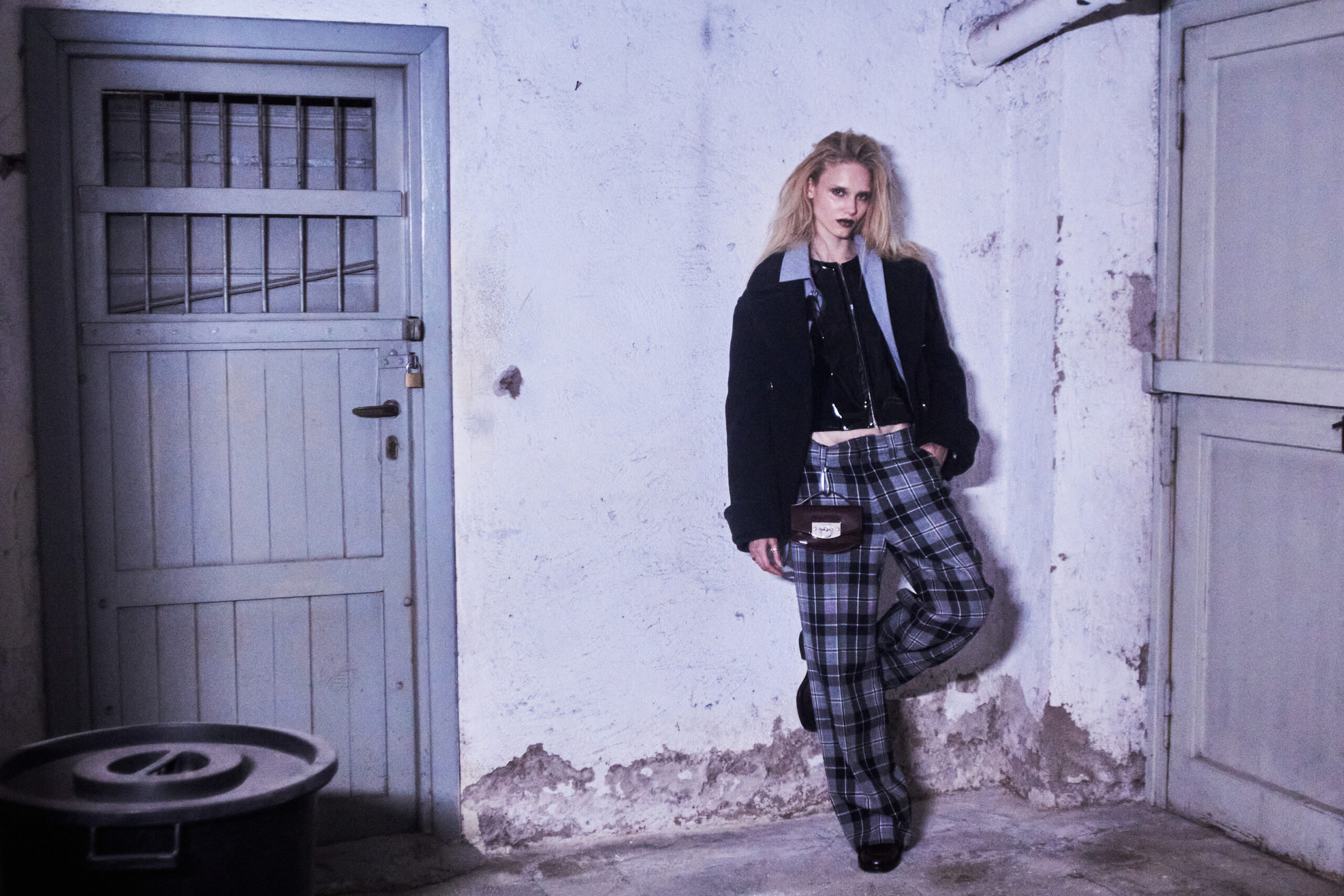
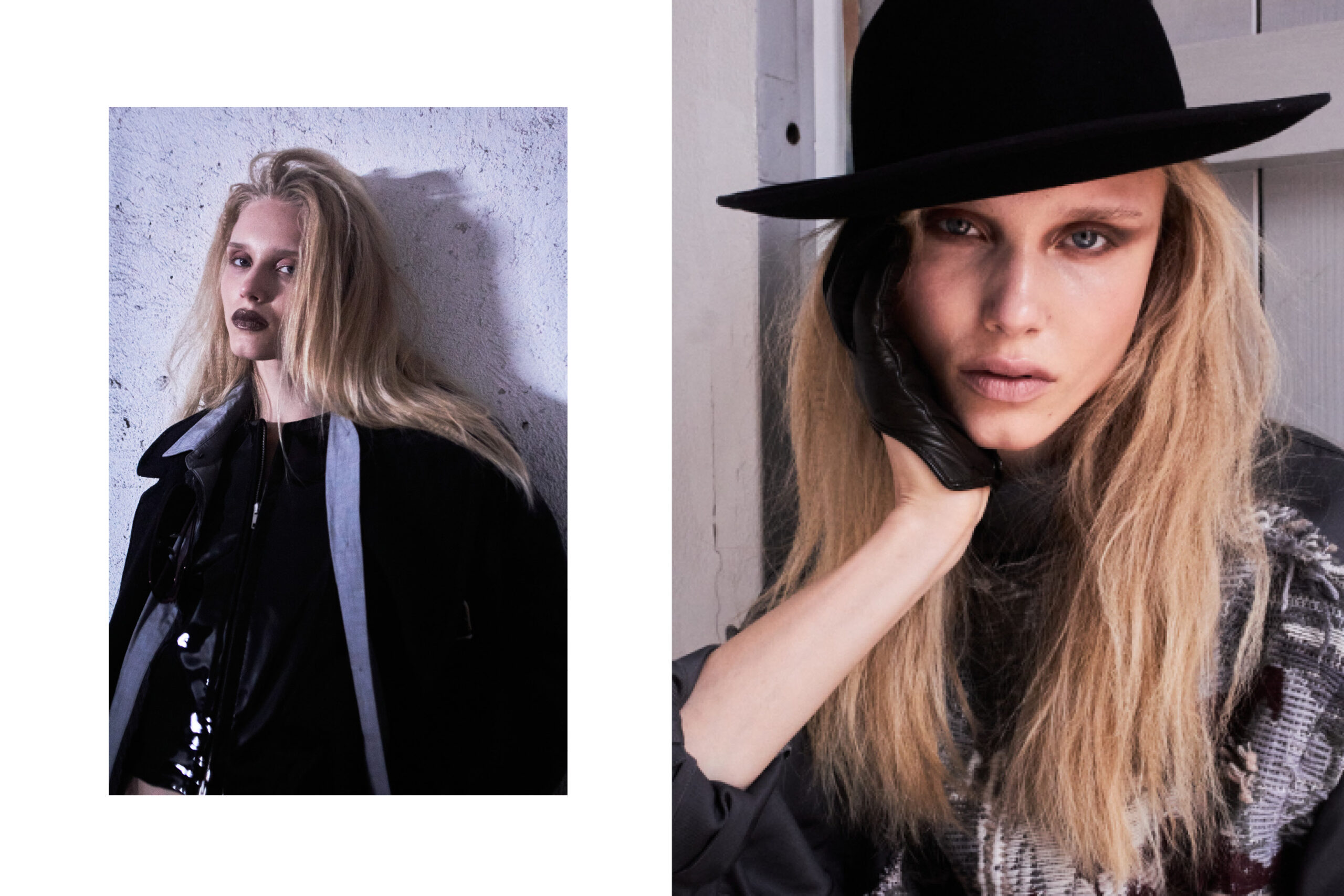
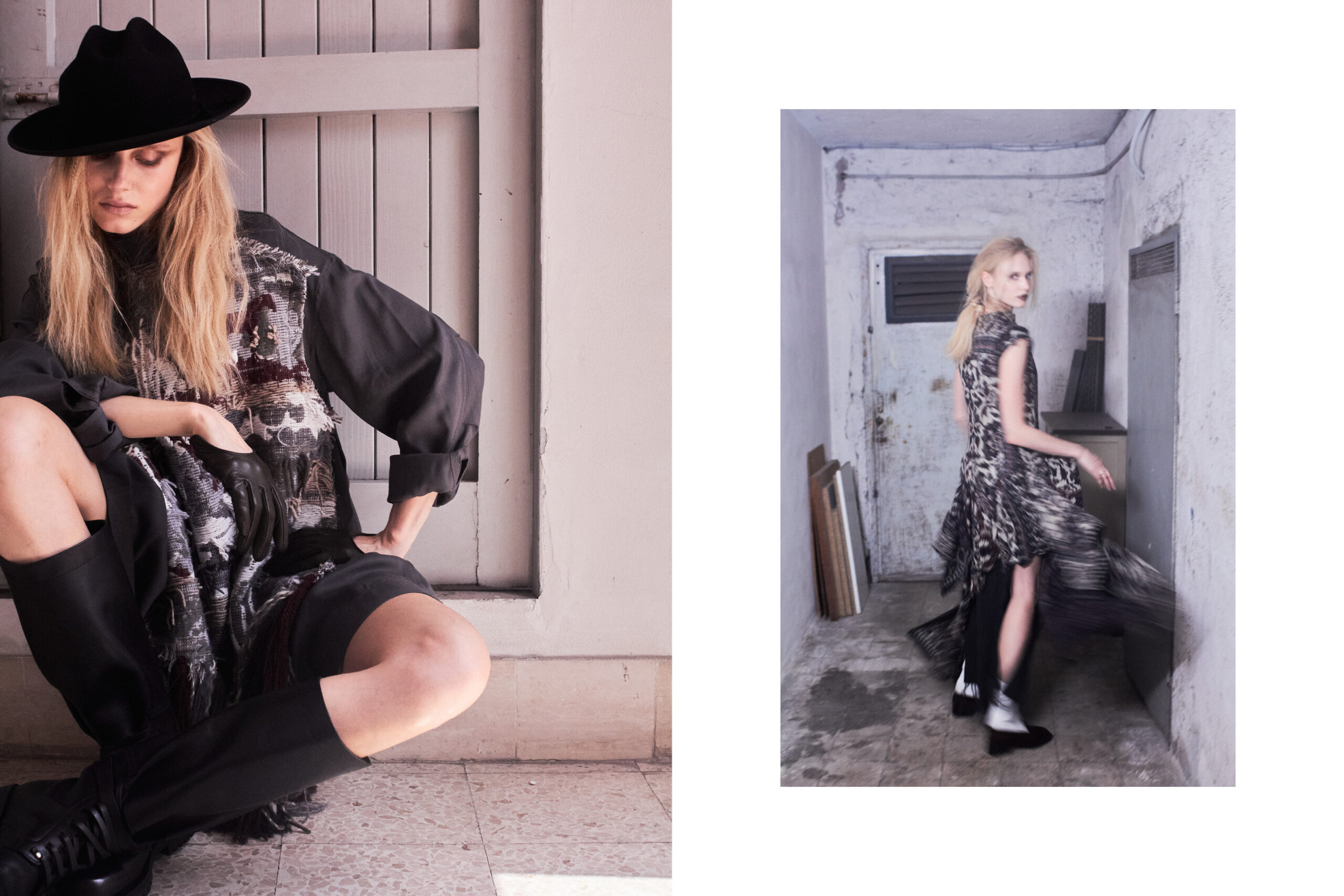
IL TULIPANO NERO

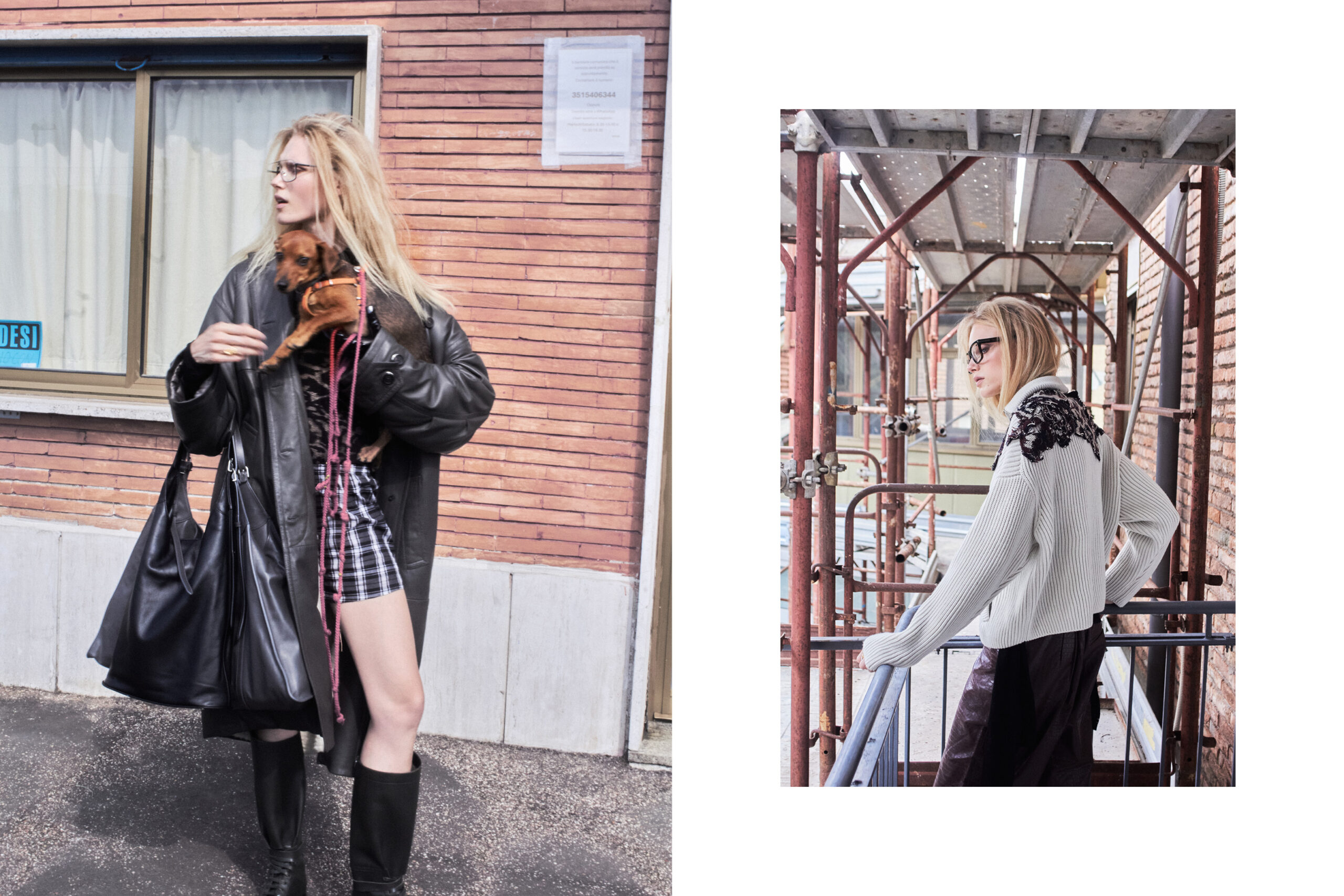
Photographer Mila Forte
Fashion Editor Sara Danese
Model Katrine Steiness @ Supreme Management Milan
Make Up Artist Camilla Iacobitti
Hair Stylist Luce Tasca
Fashion Assistants Lavinia Lucci, Nikolò Guglielmi

Editor-in-chief Valentina Ilardi

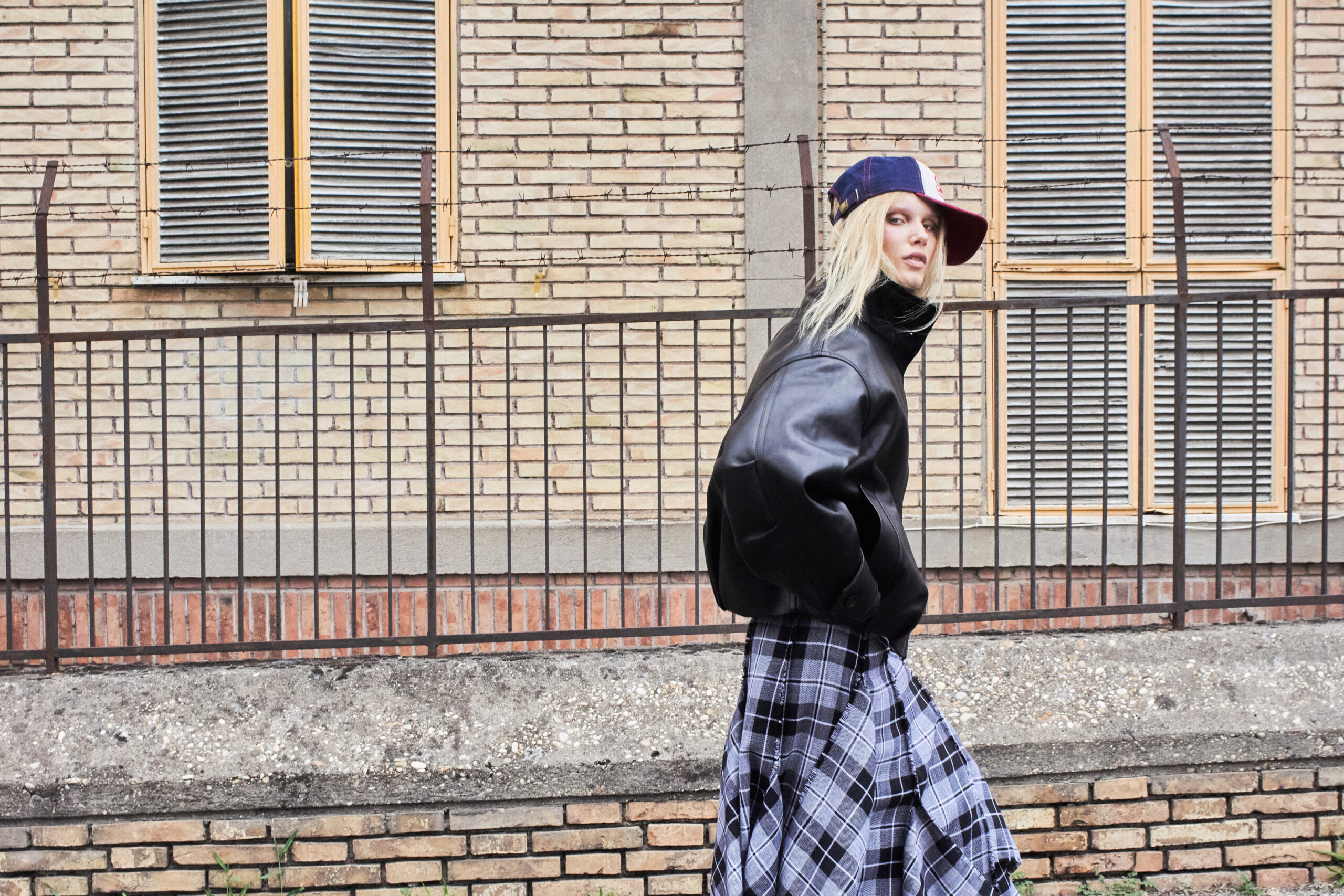
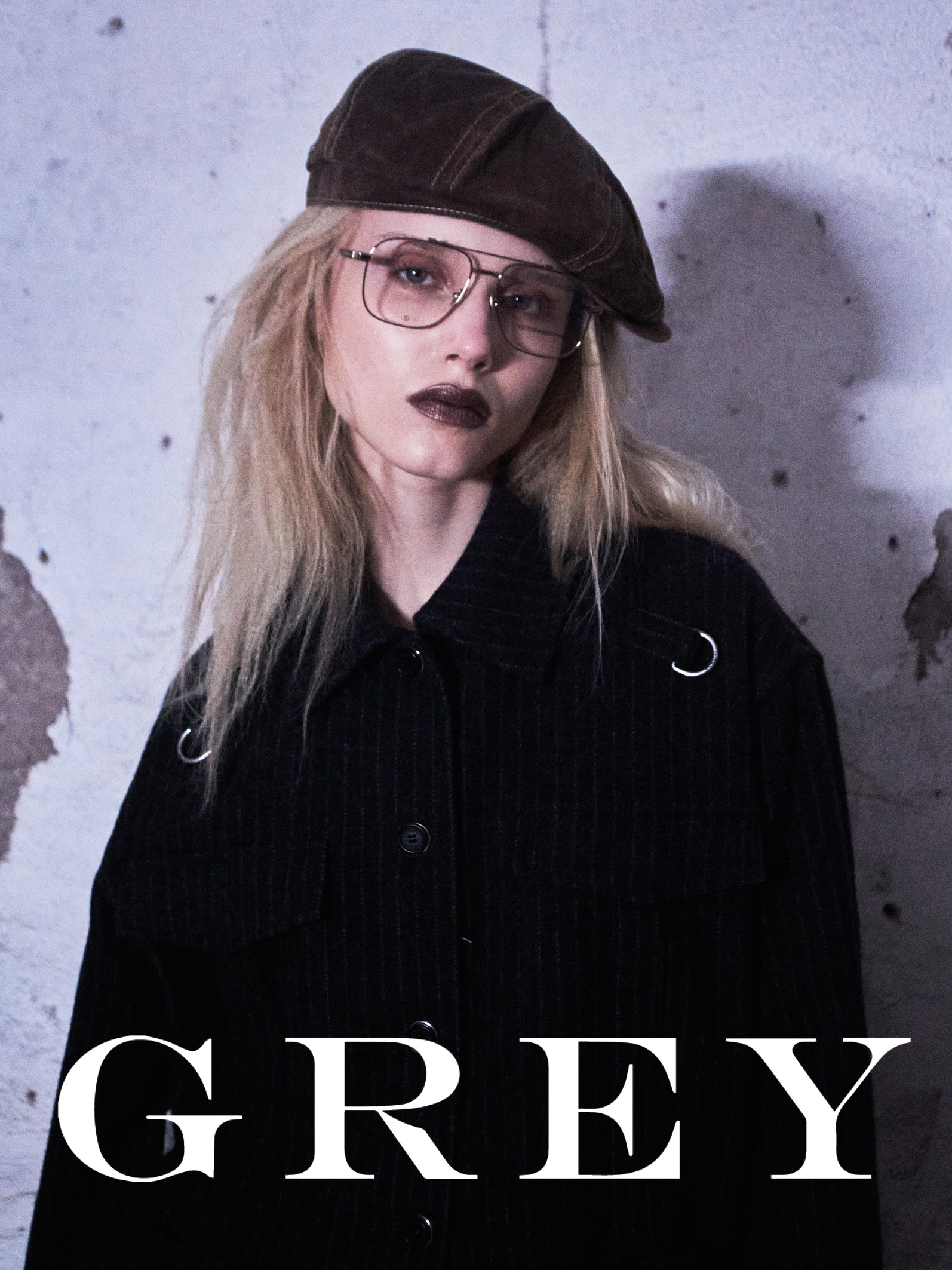
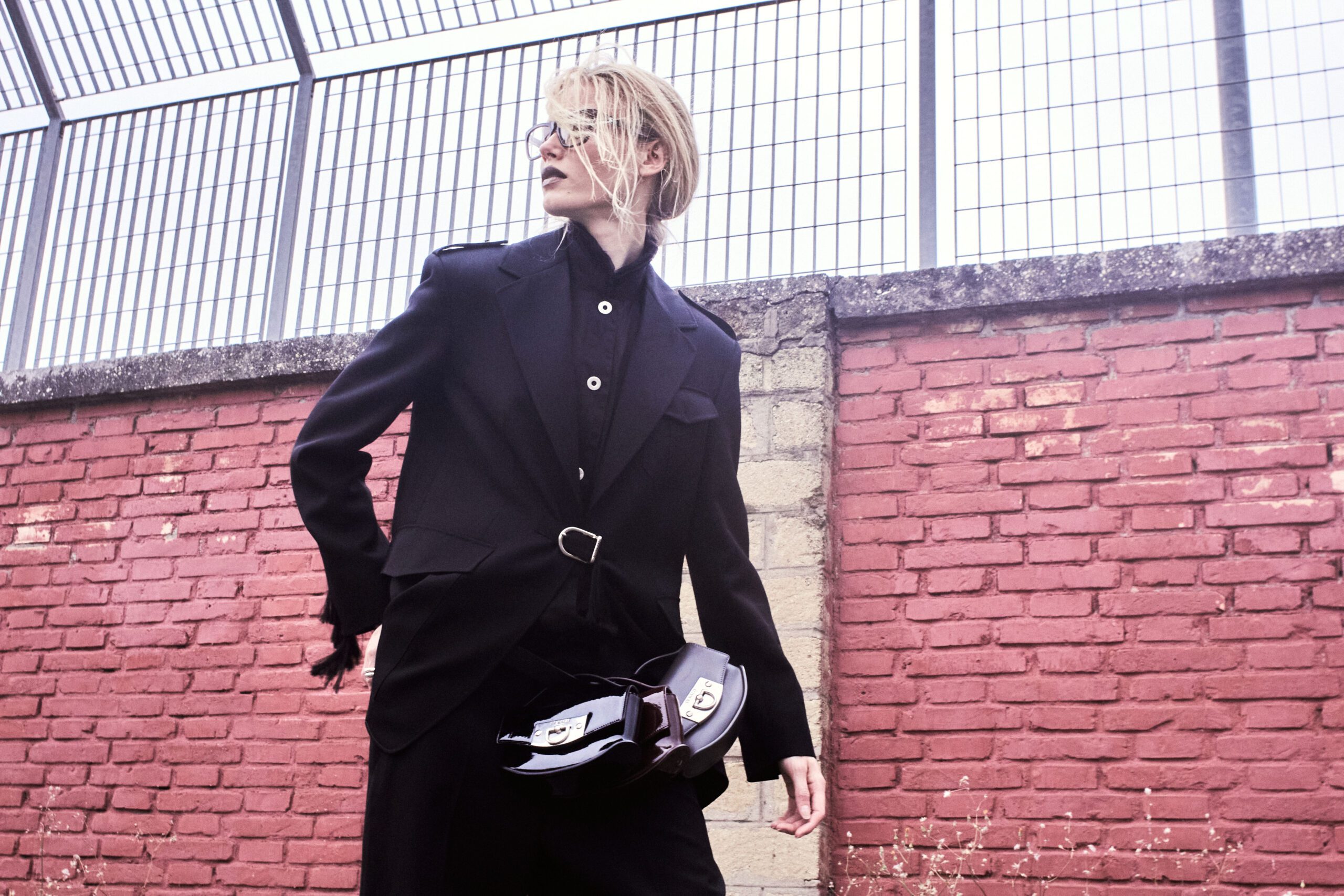
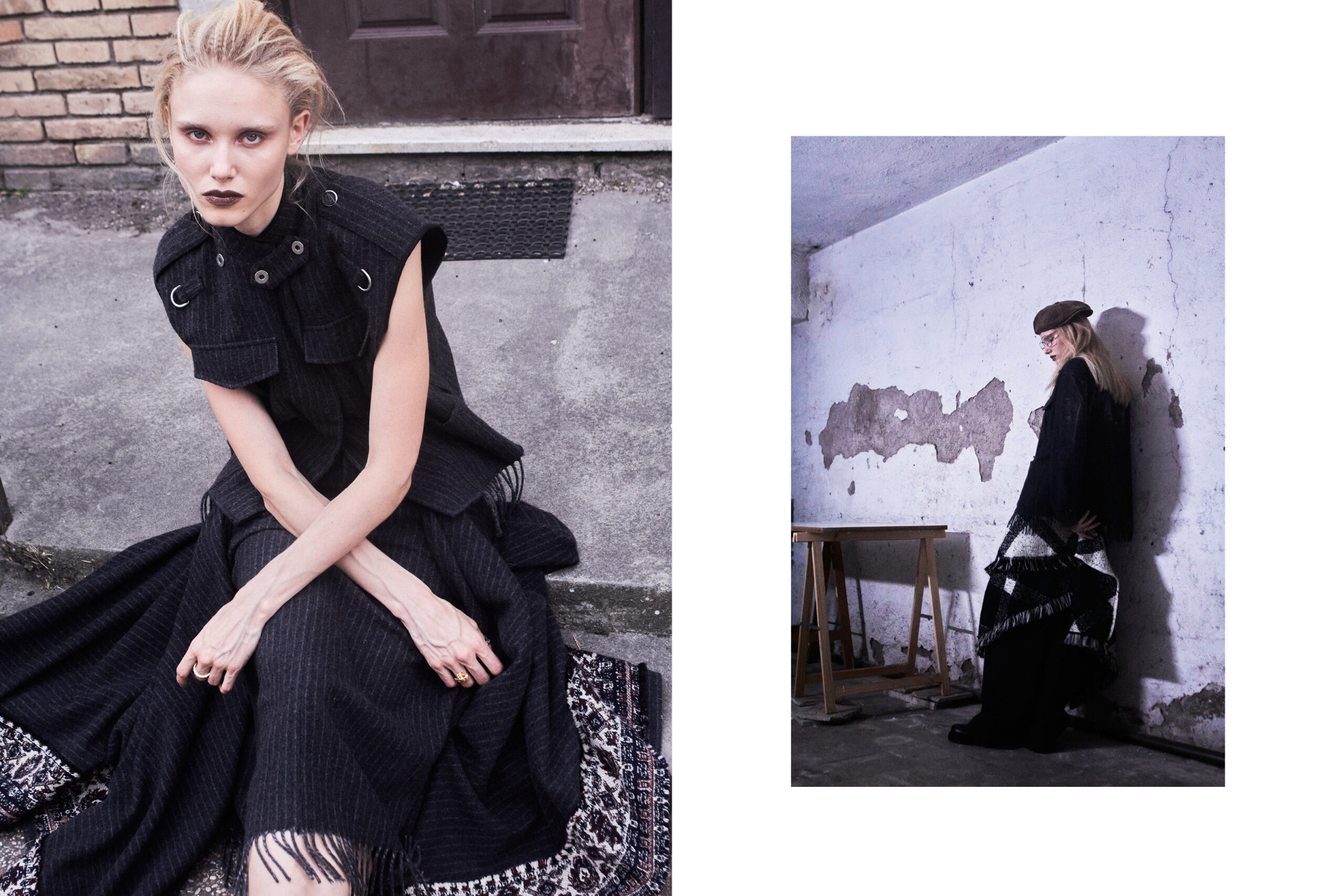
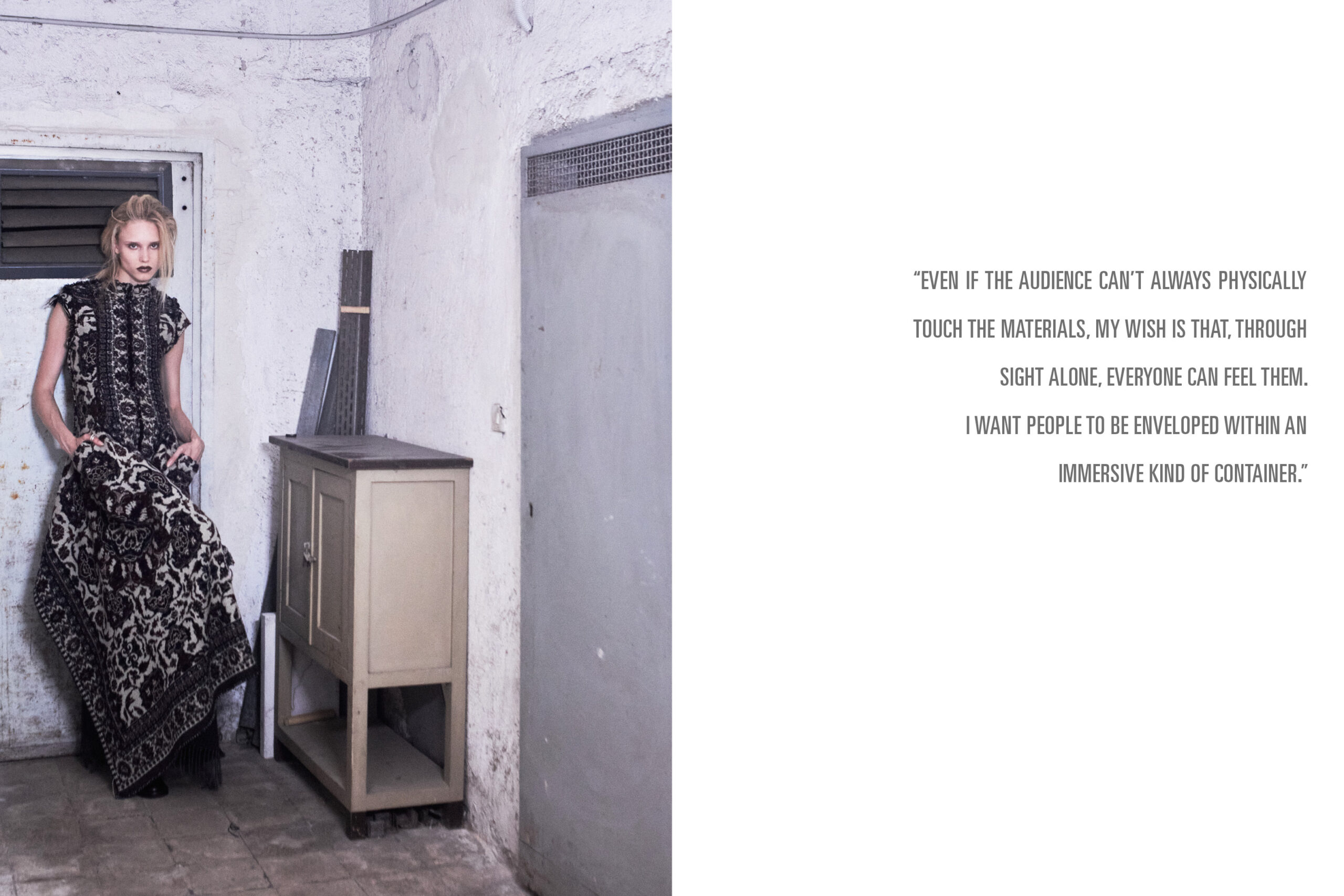
All clothes by Durazzi Milano with the addiction of hats by Stetson, glasses by Ferragamo and Victoria Beckham and jewels by Emanuele Bicocchi

Mila Forte, Sara Danese

Having attended numerous presentations of your previous collections, we have consistently observed a remarkable attention to the choice of location, set design, and overall atmosphere. Choreography, movement, and immersive sensory experiences appear to be a recurring theme. This lead us to wonder: what is the very first element you consider when designing a new collection or envisioning its presentation? Which sense takes the lead in shaping the multisensory experiences into which your audience is so completely immersed?

Everything that is material – that is the first aspect I connect with. It all starts from the research of fabrics and materials.  The whole universe and vision of the brand is built consequently. For me, there are always key moments or elements that eventually shape the collection or the presentation. No matter the location, I always try to express the same identity — with some iconic elements that define the brand of course. There’s always a strong sense of sound and scent – that’s very important to me. I want the experience to be as immersive as possible.

When I think about any concept, creatively, materiality is always key for me. Very often, the material itself evokes the collection. One season might begin with glass, or raffia, or a carpet — and everything evolves from that tactile base. Even if the audience can’t always physically touch the materials, my wish is that – through sight alone – everyone can feel them. I want people to be enveloped within an immersive kind of container. For example, the last collection was inspired by carpets — the garments included elements that recalled carpet textures, and the entire space was filled with desaturated rugs, which also tied into the aesthetic of Durazzi Milano, a recurring theme. I love the idea that people weren’t just looking at clothes inspired by carpets — they were immersed in that environment as well. The season before was all about glass, and the theme of transparency. There were ice sculptures to express both fragility and strength. I wanted to convey a feeling of power and vulnerability coexisting. The boots from that collection — the power boots, as I say — represent the modern female world: practical, strong, and deeply layered in meaning. Representing that through glass meant showing something that can be fragile, but also dangerous — sharp, powerful. That material shaped the entire collection both conceptually and materially: we used transparent PVC and other fabrics that stemmed from that idea, and the whole visual narrative revolved around ice and glass.

Your collections always seem deeply personal, intentional, and meticulously crafted — as if they were the result of an essential need for creative expression. What aspects of your life, personality, or daily habits do you find impossible to separate from the creative flow that brings your work to life?

All of this visual and material dimension I talked about, that is part of my everyday life sensitivity, is deeply reflected in the collections. They’re definitely made up of impressions and experiences we live through, which I then try to translate into something accessible and meaningful for everyone — absolutely. A recurring theme for me is obviously the imaginary of the horse ride and its adrenaline rush —something that is deeply rooted in my life experience and emotional sphere. For example, one time I included fragrance as a gift for the audience, because I wanted to bring this feeling of freedom into the city, where we were presenting. So yes, everything I live in my free time naturally feeds into the work. To me, there’s no clear boundary between work and free time — it all blends into one continuous flow. Most of the time, I can’t help but be drawn to what’s happening around me — I’m always curious, always observing. So inspiration doesn’t just come from childhood memories; it also comes from what I see in the present — exhibitions, concerts, moments in the city. Those lived experiences become memories in themselves, and I bring them directly into the collections.

The choice of models who embody the key looks presented during Fashion Week is always remarkably consistent, thoughtful, and plays a crucial role in conveying the deeper messages behind each collection. Casting appears to be especially important in bringing the Durazzi universe to life — particularly considering that the models often transcend traditional roles, frequently being dancers, musicians, or singers as well. Do you personally oversee the casting process alongside your team and/or casting directors? We’d love to hear more about how the selection unfolds, and what key criteria guide your choices.

At the moment, I don’t work with any casting director as the brand is still young and everything is done in a very tailored, hands-on way — it’s just me and the team. When it comes to choosing the models, the most important thing to me is to represent an image of women immersed in a universe of creativity, culture, and passion. To truly communicate that message — and to make sure the audience can connect and identify with it — it’s essential that the people wearing the clothes aren’t pretending. They need to be real and authentic. That’s why, most of the time, they’re friends of mine or people I already know. Unfortunately, Milan can be a bit limited in that sense — unlike Paris, where I used to do street casting for Margiela and would meet people from all over the world. Milan doesn’t quite have that same level of diversity or openness. I’d love to explore and see other parts of the world for this reason. Last season, we had Elena Rivoltini, a performer who sang during the presentation revolved around ice, and Zara Colombo — all people from my own network. That’s something that really matters to me. So, for now, there’s no casting director involved — but maybe at some point we’ll find someone who truly understands the vision. That would be amazing.

Since you mentioned Paris and Margiela, which experiences in fashion would you say are the ones that you carry with you as part of your creative baggage and inspiration?

Well, my career as fashion designer started when i was 22. I was working for Balenciaga under Nicolas Ghesquière, and later at Margiela. I went through the whole process — starting as an intern and eventually becoming a senior and then head designer, always in menswear. When you reach the position of head designer at a brand like Margiela, you develop a 360-degree vision of the collection — you’re not only designing clothes, you’re also thinking about the presentation, the casting, and every detail because you’re the one shaping the vision. A city like Paris and a brand like Margiela — which really embraced diversity, outsiders, and the unexpected — gave me a lot. That would be one of those experiences I still carry with me dearly. I used to go out a lot, to parties and events, and I’d meet people who seemed just perfect for that kind of vision, and so inspiring to me. I’d hand them a card, then they’d come in for a casting, and from there, many actually started careers. I’m a very curious person — I observe people constantly. That’s why I still go to concerts and events; I like to see what’s happening around me, to take it all in.

What is the one garment or accessory that you consider to be absolutely essential in your wardrobe? And as a designer, is there a particular piece you often begin with when building a look or even an entire collection?Practicality — alongside your brand’s signature tailoring excellence and undeniable coolness — seems to be a central element. How do you balance your own creative vision and personal approach to daily fashion with the needs of your target women and the constant, often overwhelming, flow of ever-changing fashion trends?

For me, it’s actually quite simple and straightforward: the collection is designed around myself and my habits — what I like, what I’d want to wear — or around my friends. So the commercial aspect comes naturally, because if there’s a demand coming from real women, it all becomes much easier, I understand it firsthand. I have an obsession with boots — they’ve become quite the symbol of the brand. The entire collection often revolves around them. There’s always a variation of them in each season: reinterpreted, deconstructed, done in suede — many different takes on the same one core idea. What really matters to me is the context in which this woman lives and how she is presented. Rather than creating pieces that feel out of context — overly extravagant to the point of being unwearable or undesirable — I focus on authenticity. I design based on what I would want to wear. The goal is to highlight the woman behind the clothes — her world, her creative environment, her passions. For this reason, we don’t have a marketing team — everything just flows naturally from that vision.

Looking ahead to the future evolution of the brand, what are your goals for Durazzi in the coming seasons — and for your own creative journey? Should we be expecting a first, exceptional runway show sometime soon? More broadly, what are the values, messages, thoughts, or impressions you hope to leave with those who experience your collections or attend your presentations?

I’m not obsessed with fashion shows — it’s not a goal I’m trying to reach honestly. To me, that format feels like déjà vu. On the contrary, I really love the impact of performance — both for the exchange it creates and for the deeper sense of immersion it allows. I also like that the audience doesn’t have to wait; they arrive and immediately experience something.I truly enjoy exhibitions, and that’s exactly the message I want to convey. Maybe in the future, instead of a traditional show, it could evolve into a larger-scale presentation. I’m obsessed with art for art’s sake — even if I’m not collaborating with artists, it’s really about the feeling you get when you see an exhibition and what it communicates. That’s my goal with my collections: to make people feel like they’ve been transported into my world. Of course, it would be amazing to expand this format into something bigger, but for now, a fashion show isn’t my wish. I don’t even know if there will ever be one. I want people to walk away from a presentation feeling overwhelmed by creativity and immersed in something truly unique — the same feeling you get from a powerful art exhibition. For me, it’s not just about the clothing itself, but also about the person wearing it — it’s about transmitting a vision that goes beyond the garment. Creativity, to me must never strip away the identity of the person wearing the piece — because at the core of it all is the human being. In the end, it’s always about who wears the clothes, and finding the right balance — without it turning into a circus. It shouldn’t be just about creativity, but also about identification and connection.

More from GREY