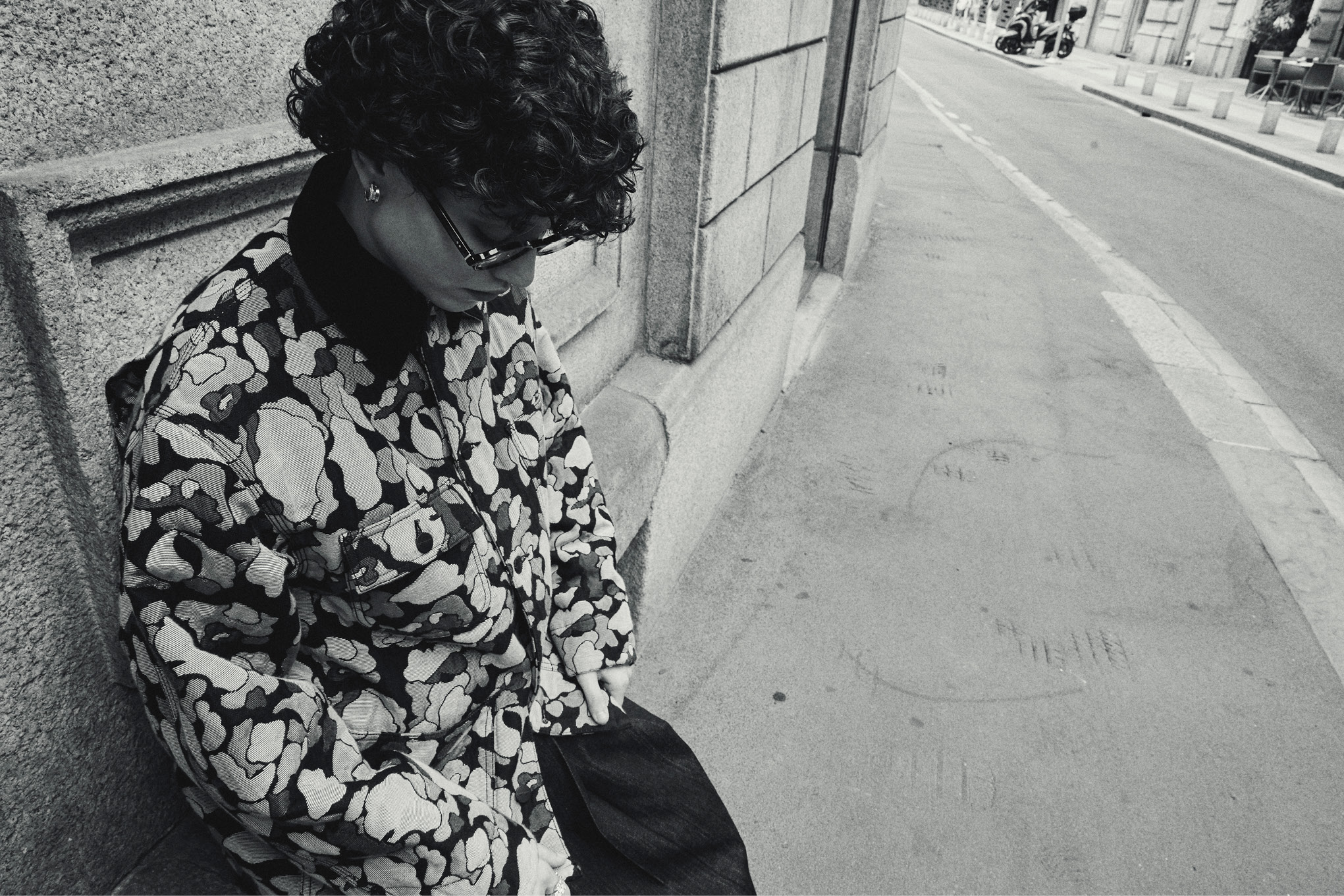
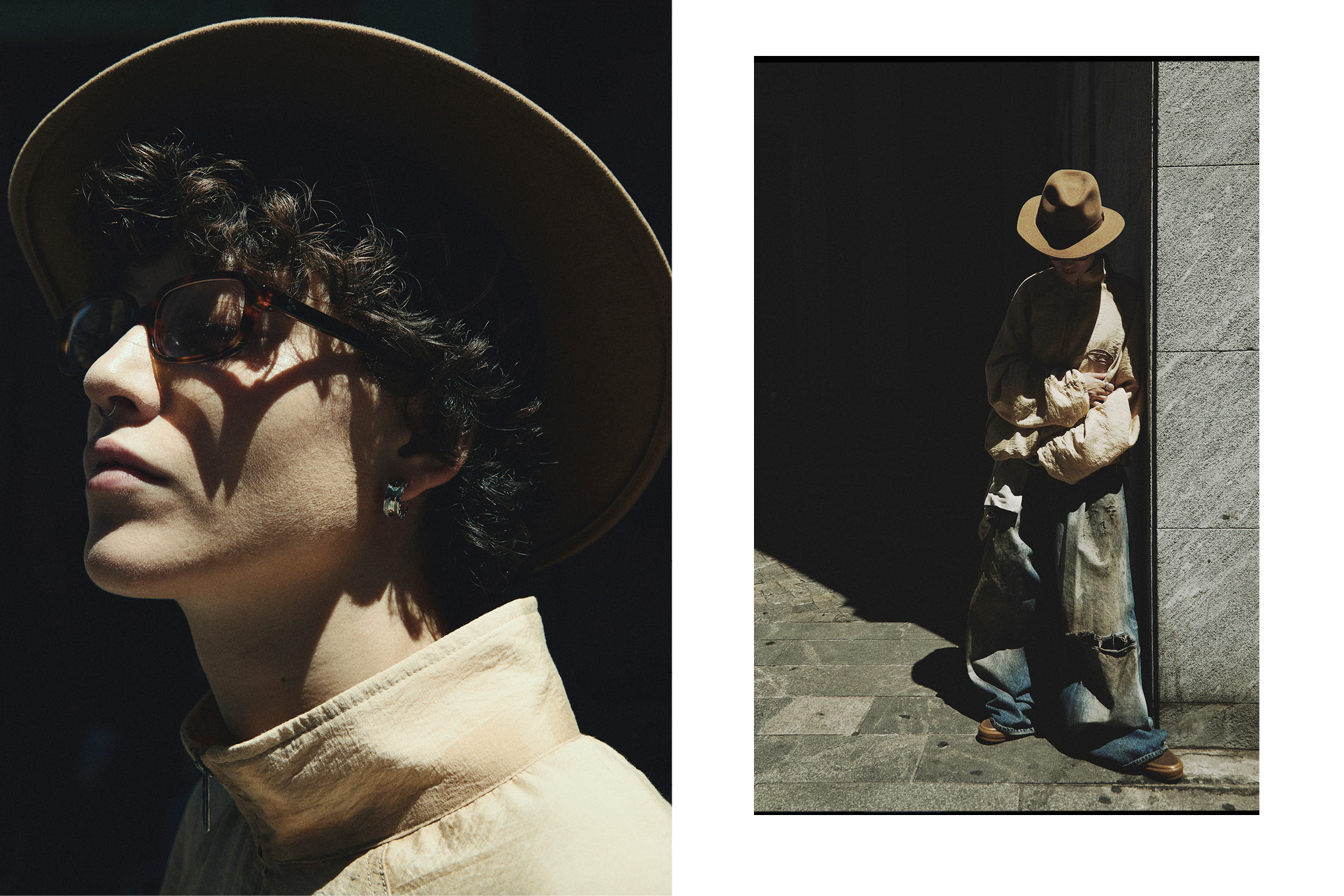
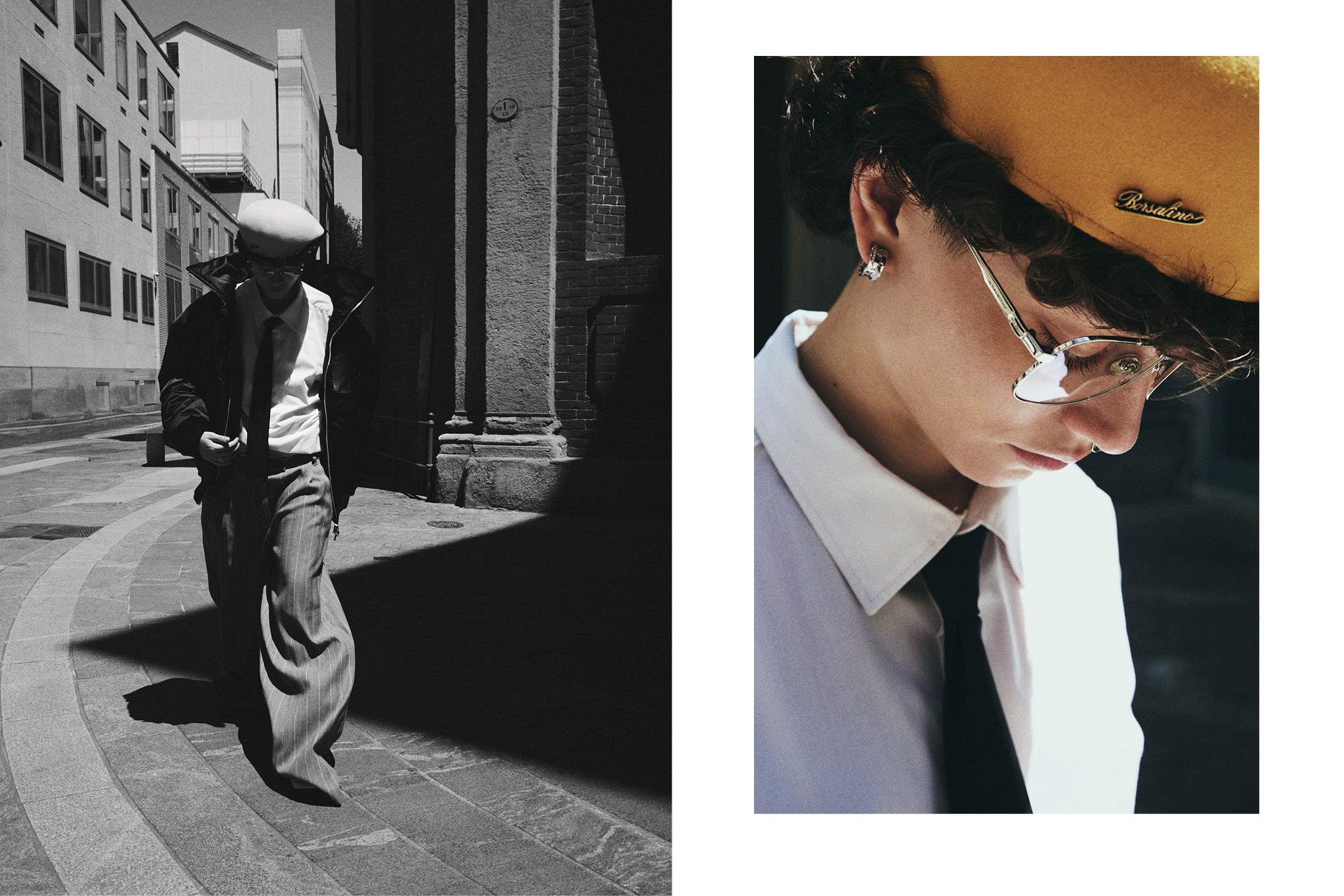
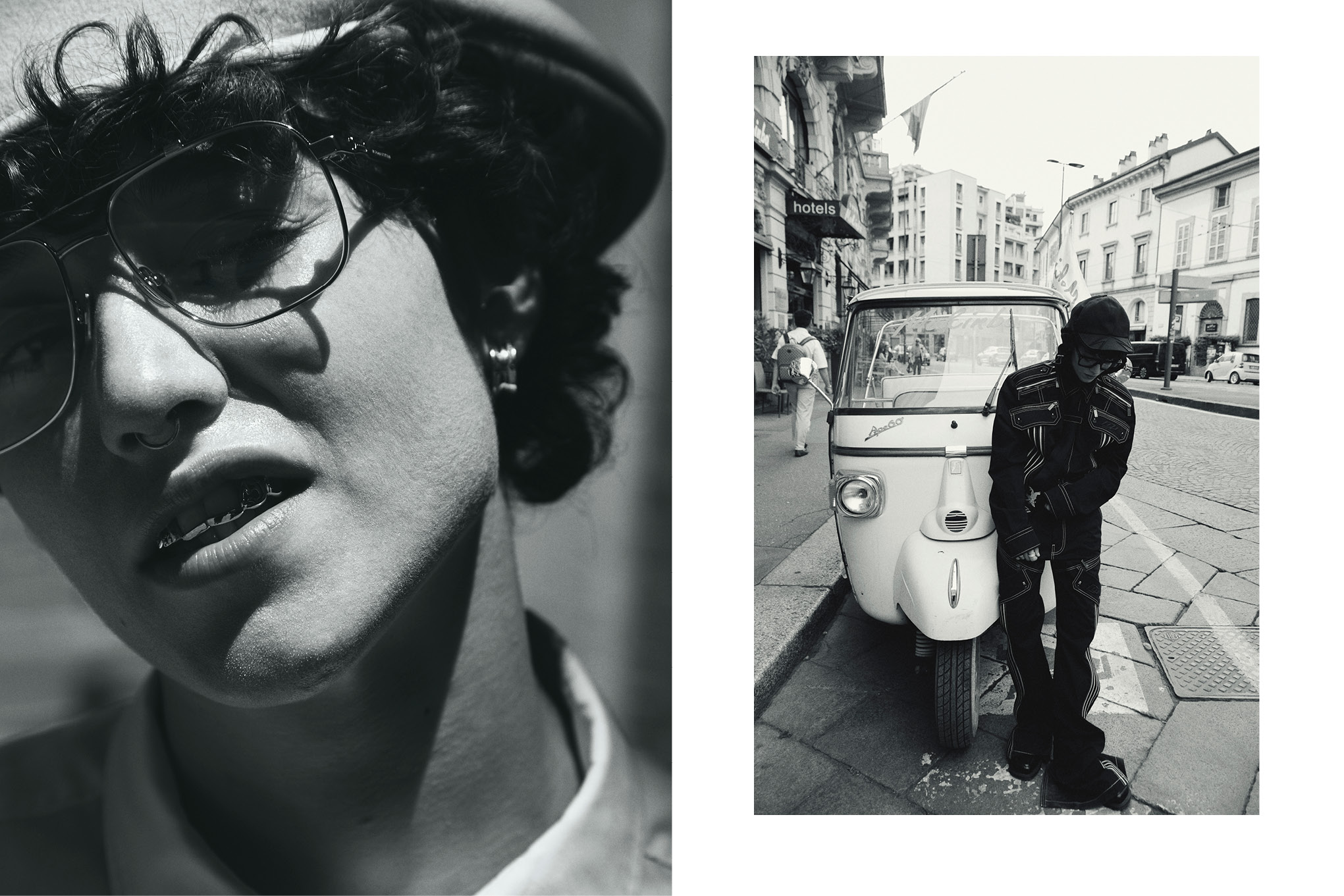
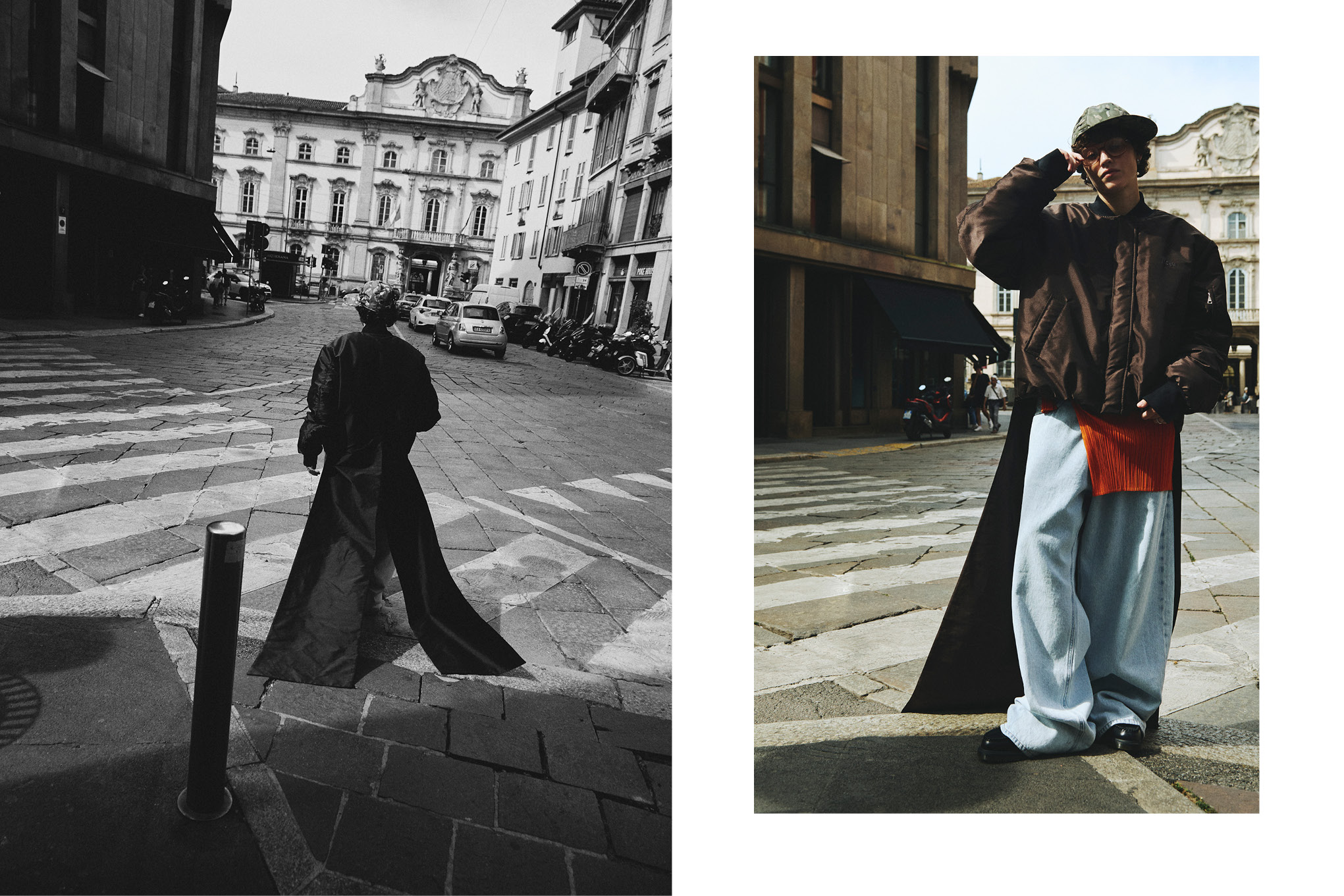
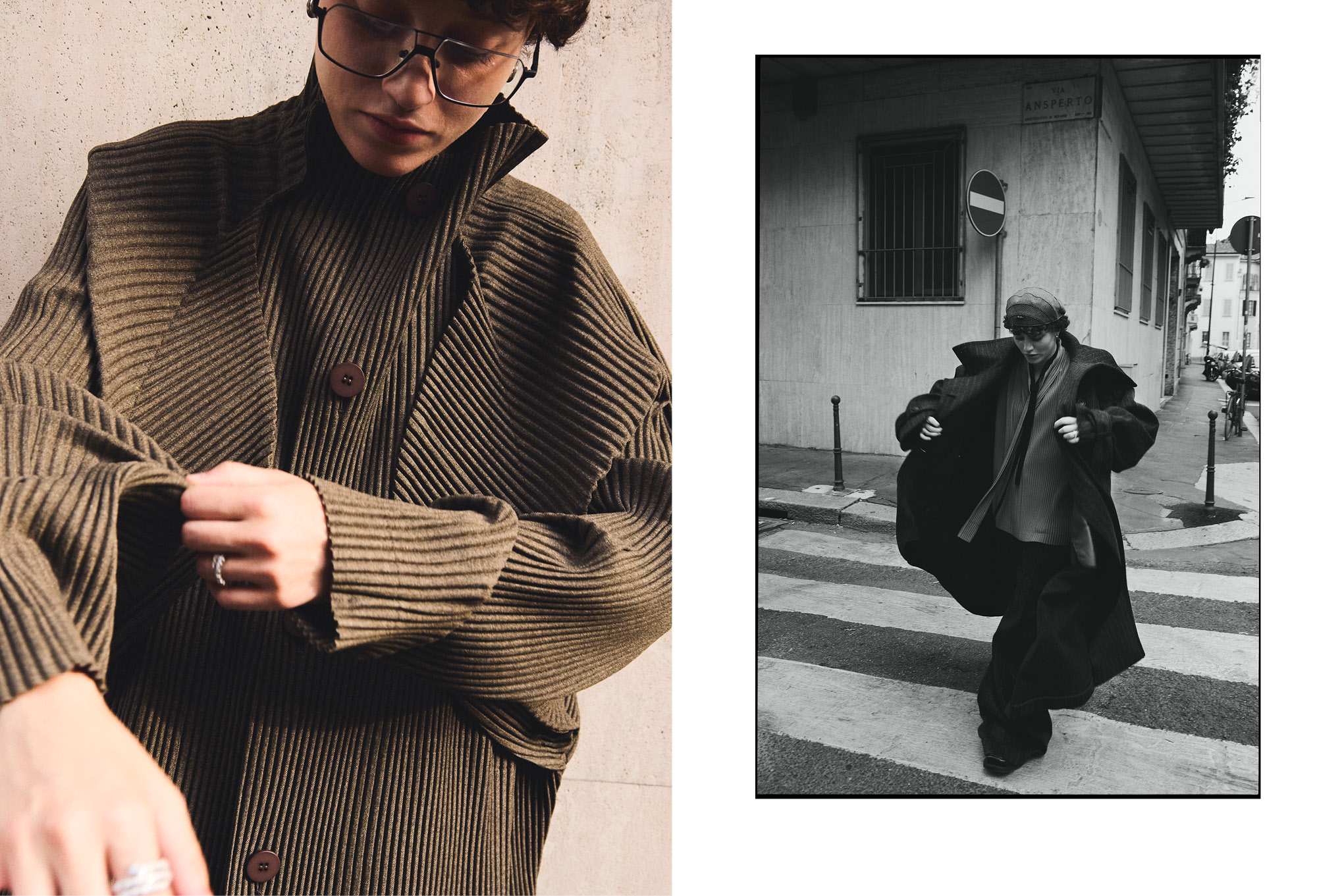
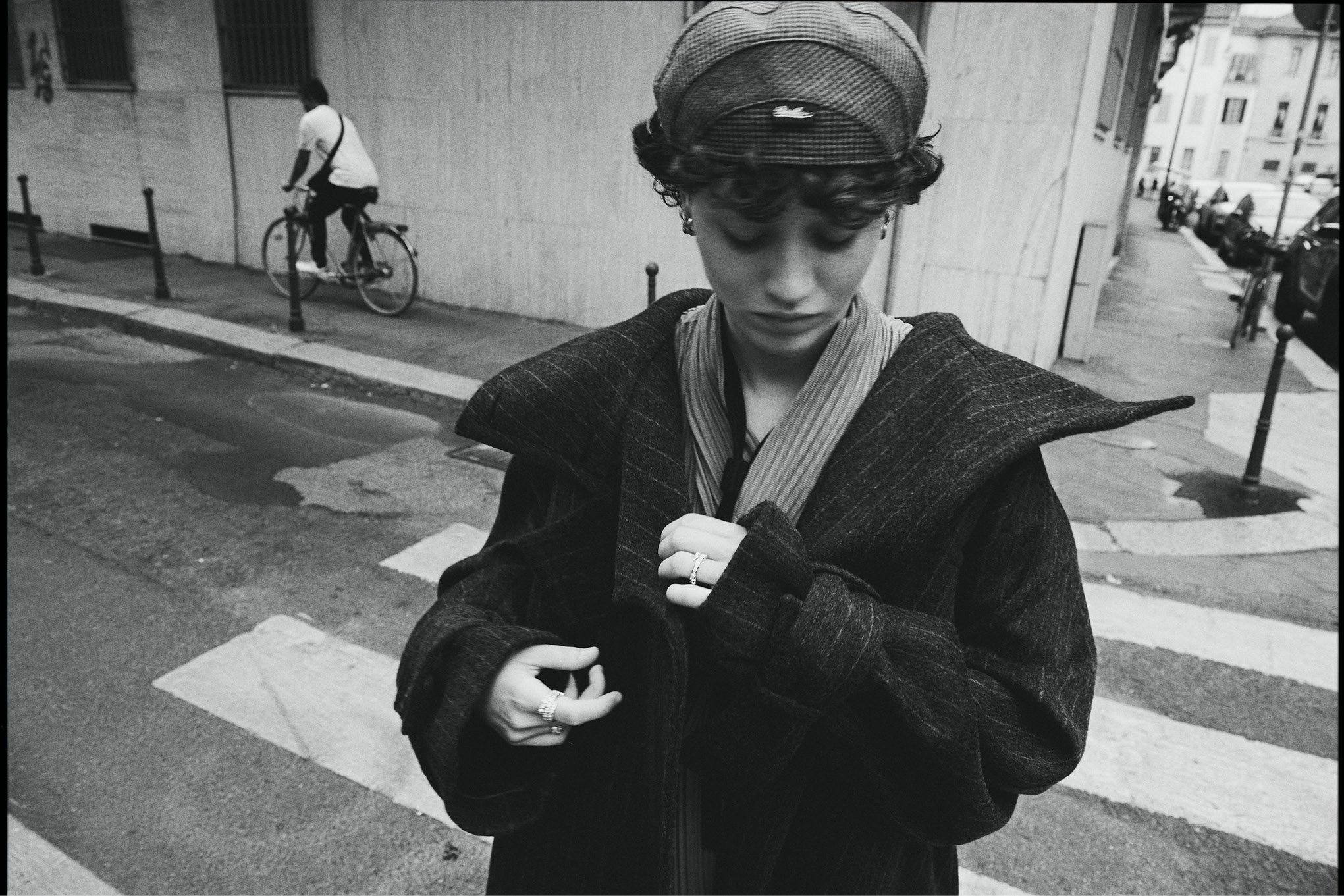
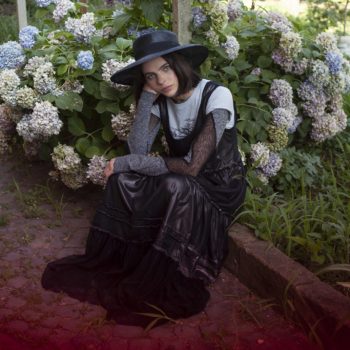
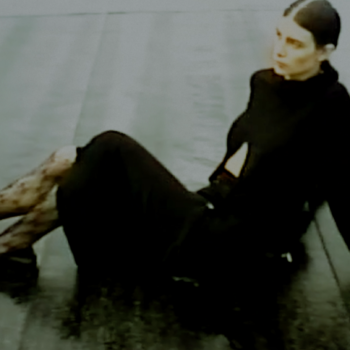
SOAP

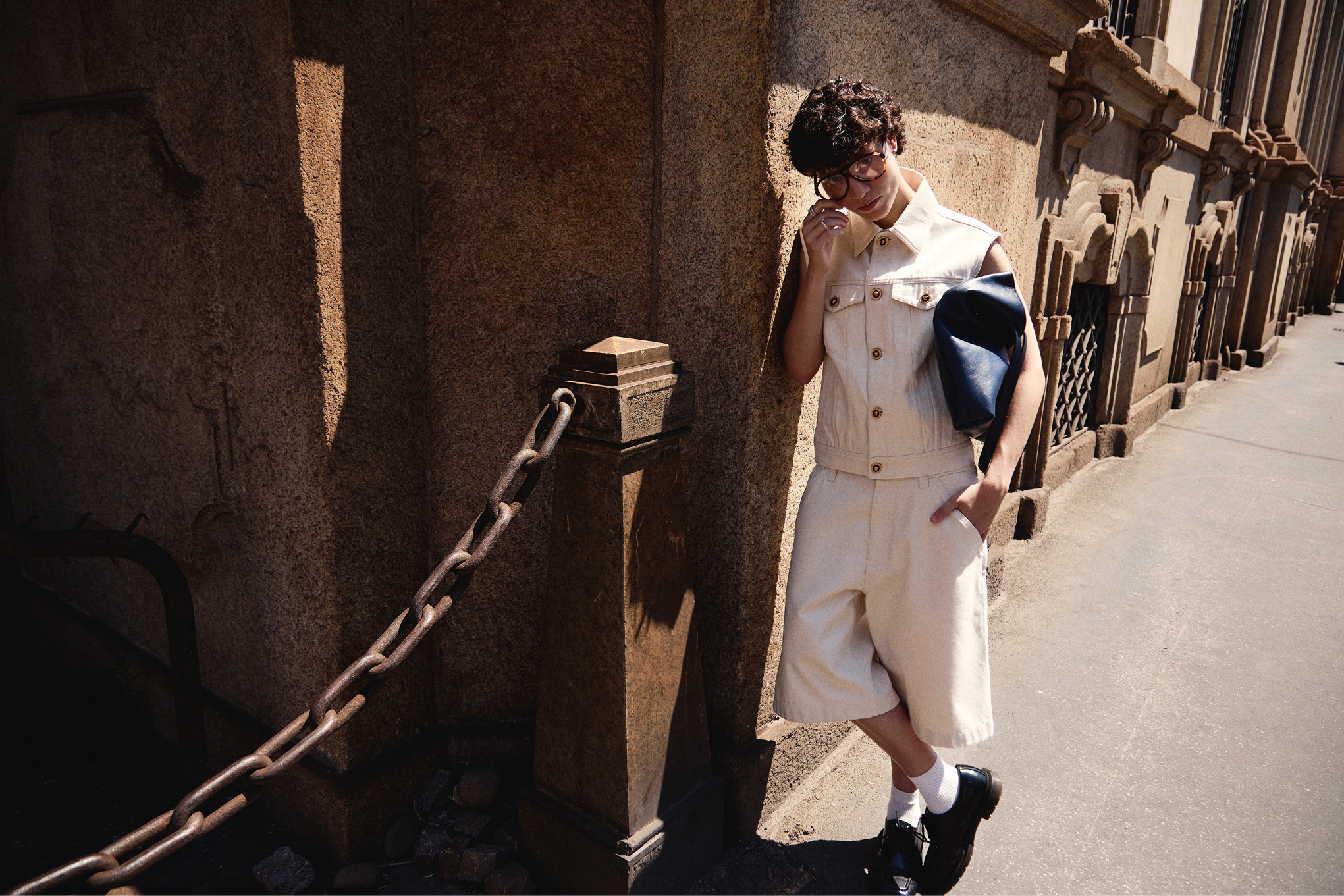
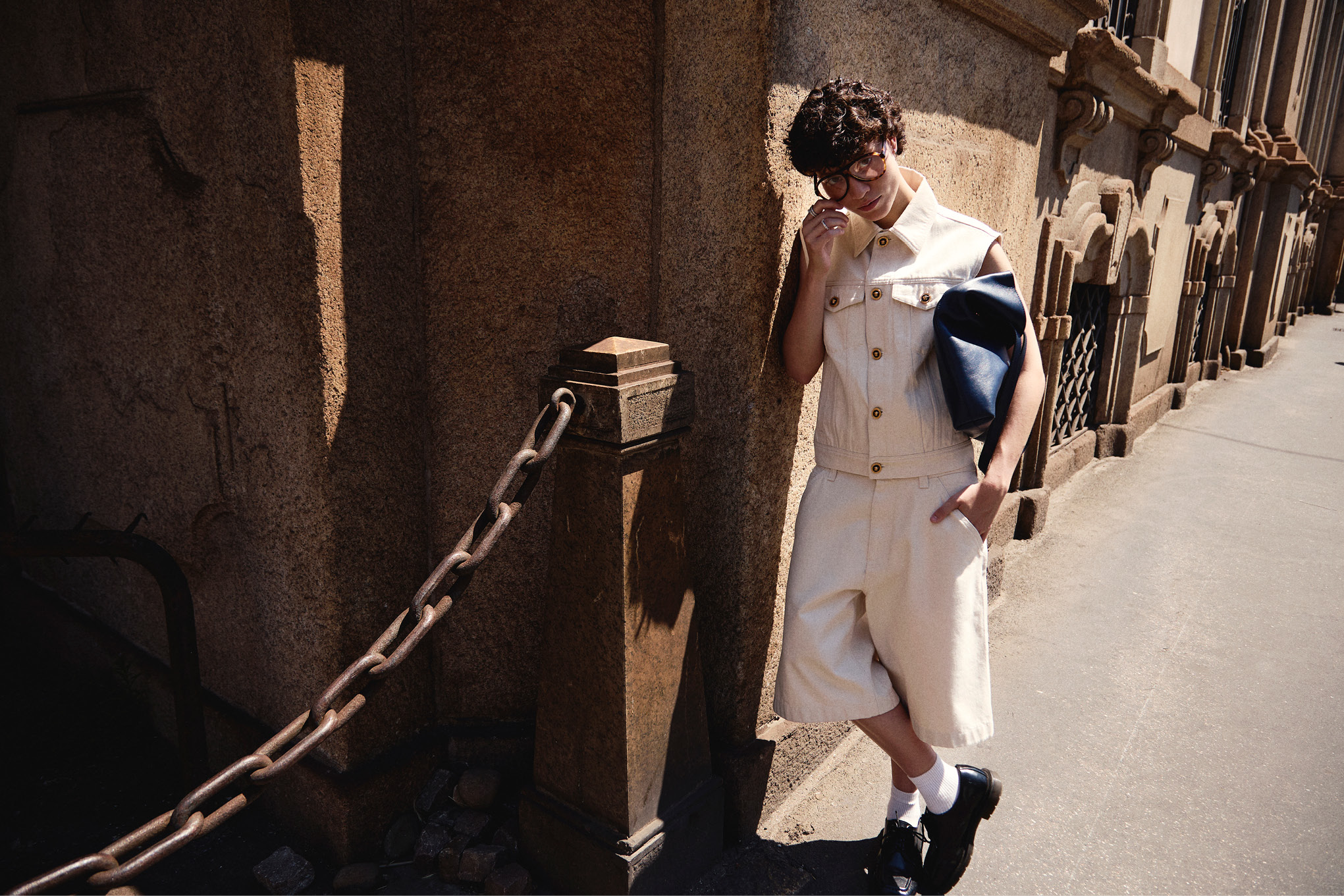
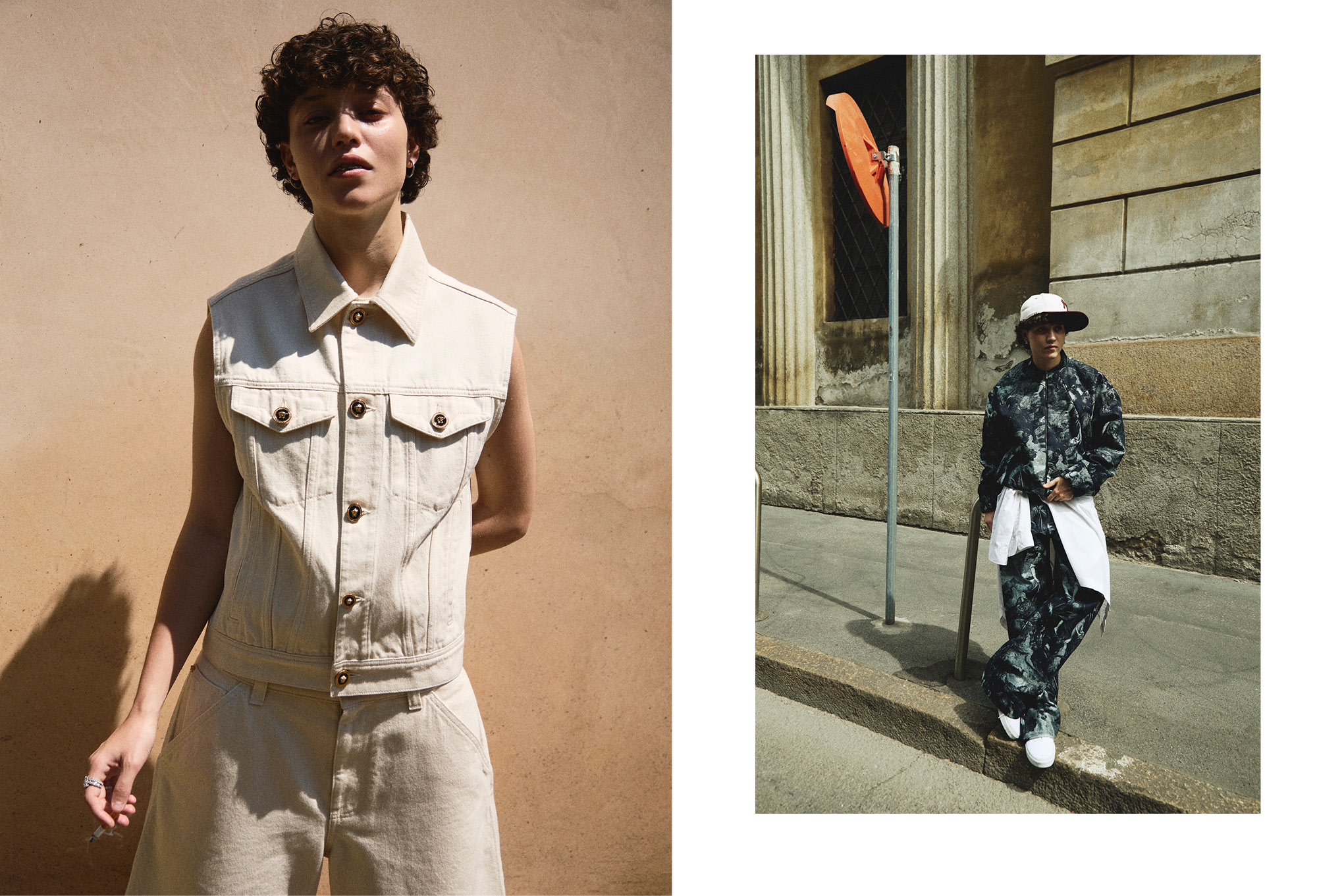
Photographer Simone Paccini
Fashion Editor Sara Danese
Talent SOAP // Sophie Ottone
Make Up Artist Amy Kourouma @ W-Management
Hair Stylist Stefano Gatti @ W-Management
Artist Manager Sara Esposito Salvo Gulino Pulp Records
Artist Press Office Vittoria Tampucci @ Help Media PR
Stylist Assistants Lorenzo Brioschi e Alessio Marco Pepe
Photo Editor Mila Forte

Editor-in-chief Valentina Ilardi

Sara Danese, Simone Paccini

Do you think “necessity” is the right word to describe the driving force behind your music? What pushes you to express yourself through notes and bars? When you do, do you feel completely transparent, or is there always something left unsaid or only written between the lines?

I think yes, “necessity” is definitely a word I feel strongly when it comes to writing and doing what I do. In my lyrics, I always try to be transparent, because my first goal is to let things out — it wouldn’t make sense to do it halfway or by lying to myself. The things I haven’t managed to express yet, I’m sure they’ll find a way to come to life in the future. The key is to keep listening to yourself I think. For me, it’s a real form of therapy — like a diary.

Despite being very young, your words feel lived and deeply felt — as if they were the synthesis of a collectively understood, almost generational struggle, a bit of a tangled experience to be rearranged. When you think about the future — whether personal, artistic, or generational — do you feel more hopeful and responsible, or dangerously anxious?

I feel like you obviously can’t control the future, but you can control the choices you make along the way.  I don’t feel more anxious than others who’ve chosen different paths; everyone carries their own challenges. Overall I believe when I think about the future — despite everything — I mostly feel curious and excited to discover what it has in store for me. 

In your song Nasci – Jumelles, you write “Dove ho pianto per anni, ora è cresciuto un fiore” (“Where I cried for years, now a flower has grown”). Does writing help you heal wounds or validate life transitions? What is your very first memory related to music?

I’d say both — writing helps me especially to experience situations from a “third-person” point of view, whether they’re happening now or (mostly) in the past. I definitely do write best about things I’ve already processed or internally accepted. My very first memory related to music is a little concert I did at age 7 in one of the neighborhood pizzerias in Latina, my hometown, after taking guitar lessons for a few months. It was meant to be.

In Deserto – Personne, you sing “Nous sommes tout seuls ici, personne ne sait quoi dire” (“We’re all alone here, nobody knows what to say”). Do you ever find yourself filling silences with forced words? And when you feel a visceral need to communicate, what is your go-to means of expression outside of your role as a singer-songwriter?

I think sometimes it’s better not to say anything if you don’t have something meaningful or helpful to say. It definitely used to happen to me in the past, to fill silence with useless words, but much less nowadays. Other than words, I’ve always really loved drawing — I remember that before I started writing, singing, and playing music more consistently, I spent a lot of time drawing in comic-book style. At school I used to fill up notebooks and desks with sketches.

In your song Nasci – Jumelles, you write “Dove ho pianto per anni, ora è cresciuto un fiore” (“Where I cried for years, now a flower has grown”). Does writing help you heal wounds or validate life transitions? What is your very first memory related to music?

I’d say both — writing helps me especially to experience situations from a “third-person” point of view, whether they’re happening now or (mostly) in the past. I definitely do write best about things I’ve already processed or internally accepted. My very first memory related to music is a little concert I did at age 7 in one of the neighborhood pizzerias in Latina, my hometown, after taking guitar lessons for a few months. It was meant to be.

In Deserto – Personne, you sing “Nous sommes tout seuls ici, personne ne sait quoi dire” (“We’re all alone here, nobody knows what to say”). Do you ever find yourself filling silences with forced words? And when you feel a visceral need to communicate, what is your go-to means of expression outside of your role as a singer-songwriter?

I think sometimes it’s better not to say anything if you don’t have something meaningful or helpful to say. It definitely used to happen to me in the past, to fill silence with useless words, but much less nowadays. Other than words, I’ve always really loved drawing — I remember that before I started writing, singing, and playing music more consistently, I spent a lot of time drawing in comic-book style. At school I used to fill up notebooks and desks with sketches.

Having grown up in a multicultural and bilingual environment and having moved several times, do you think these different geographical positions have influenced your creative process or your choice of language over time?

Moving several times definitely allowed me to experience different realities. As I mentioned before, I can describe a situation more clearly when I’ve accepted it and I’m no longer emotionally involved. Time heals and lets you see many things more clearly that might slip or go unnoticed in the exact moment when it happens.

In Amore Viscerale (charnel), you write: “Je n’ai plus de temps, d’amour, d’argent, ma prima o poi ti chiederò di farmelo provare di nuovo, si l’amore carnale, non quello normale, io voglio che mi radi al suolo. L’amore viscerale.” (“I don’t have any more time, love or money, but sooner or later I’ll beg you to let me feel it again, yes, carnal love, not the normal kind, I want you to raze me to the ground, visceral love.”) 

And in Capirò (c’est la vie):  “Il bisogno d’amore per me viene dalle radici, viene dalla famiglia e quasi mai dagli amici” (“The need for love, for me, comes from the roots, it comes from family, and almost never from friends”). We were wondering: what is the most irresistible form of love for you — and, if it has one, what is the greatest risk it carries? For me, the most irresistible form of love is definitely feeling desired by the other person. The way I see it – when that is missing, it gets pretty hard for a relationship to last. The biggest risk it carries though, is definitely emotional dependency — and I’d be lying if I said it hasn’t already happened to me. 

More from GREY